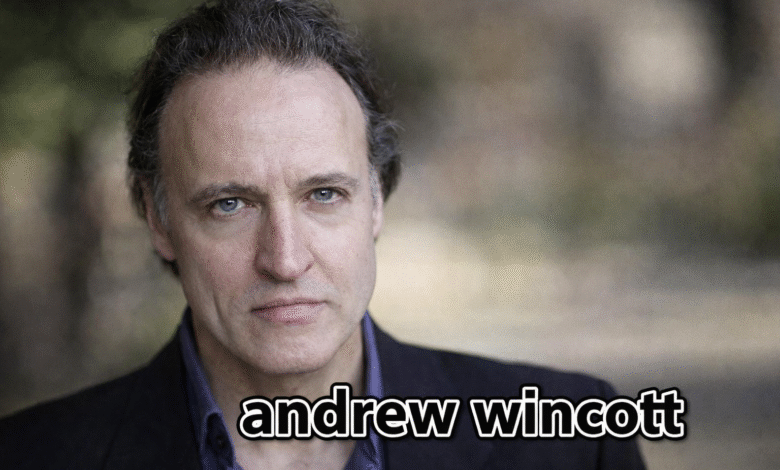
Andrew Wincott: The Iconic Voice Behind Raphael in Baldur’s Gate III and His Journey Through Theatre, Radio, and Gaming

Introduction
Andrew Wincott is a name that resonates deeply in the worlds of theatre, radio, and video games. Known for his deep voice, theatrical delivery, and versatile performances, Wincott has become one of the most celebrated British voice actors. From his iconic role as Raphael in Baldur’s Gate III to his longstanding career with BBC Radio 4’s The Archers, Andrew Wincott’s talents have left a lasting impact across several media platforms. This article explores the journey of Wincott, delving into his early life, career, notable works, and his legacy in both the gaming and entertainment industries.
Quick Bio Table
| Attribute | Detail |
|---|---|
| Full Name | Andrew Wincott |
| Date of Birth | October 1961 |
| Age | 64 (as of 2026) |
| Birthplace | Banbury, Oxfordshire, England |
| Nationality | British |
| Occupation | Actor & Voice Actor |
| Notable Roles | Raphael (Baldur’s Gate III), Adam Macy (The Archers) |
| Major Award | BAFTA Games Award 2024 |
| Net Worth | Not publicly documented |
Early Life and Education
Andrew Wincott was born in Banbury, Oxfordshire, England, in October 1961. From a young age, he exhibited a passion for drama and performance, an interest that would shape his future career. Although specific details about his early education remain limited, it is known that Wincott pursued acting with serious dedication.
His academic background likely included studying at prestigious institutions, as many British actors of his caliber attend specialized drama schools. Wincott’s training in classical theatre laid the groundwork for the profound voice and dramatic presence he would later use to captivate audiences in diverse settings, from radio to video games.
Career Beginnings in Theatre and Radio
Wincott’s career began on the stage and in radio, where his powerful voice became his signature. He started performing in various stage productions in the early 1990s, portraying characters in plays by Shakespeare and other classic authors. His deep baritone voice and ability to captivate audiences quickly made him a standout in the theatre scene.
At the same time, Wincott found a niche in radio drama, particularly with the BBC. His involvement with BBC Radio 4’s The Archers gave him a long-running platform as the voice of Adam Macy, a character he portrayed for several years. This role solidified his place as a respected figure in British radio and gave him a loyal following.
The Rise of Andrew Wincott in Video Games
Though his career in theatre and radio was already established, it was his work in video games that brought him to a broader international audience. In recent years, Andrew Wincott has become a prominent voice in the gaming industry. His most notable performance is as Raphael, a devilish character in Baldur’s Gate III, a highly acclaimed RPG released in 2023.
In this role, Wincott brought a smooth and captivating performance to the character, which resonated deeply with players worldwide. His portrayal of Raphael was praised for its complexity, and it earned him a BAFTA Games Award in 2024 for Performer in a Supporting Role. This role marked a significant milestone in his career, allowing him to showcase his ability to create memorable, multidimensional characters in the digital world.
Beyond Baldur’s Gate III, Wincott has voiced several other memorable characters in games such as Second Sight, Anno 1800, and Dying Light 2: Stay Human. His contributions to the gaming industry have been diverse, showcasing his adaptability and vast vocal range.
The Versatility of Andrew Wincott
Andrew Wincott’s versatility as a voice actor extends beyond theatre, radio, and video games. He has made a significant mark in the world of audiobooks, narrating classic works such as 1984 and The Wind in the Willows. His ability to bring stories to life through his voice alone has made him a go-to narrator for fans of both fiction and nonfiction.
In addition to narrating books, Wincott has contributed to commercial voiceovers, lending his authoritative tone to various advertising campaigns. His clear, engaging voice has found a home in both entertainment and commercial spaces, further expanding his career portfolio.
Andrew Wincott’s Major Achievements and Awards
One of the most significant milestones in Andrew Wincott’s career came in 2024 when he received the BAFTA Games Award for his performance as Raphael in Baldur’s Gate III. This award cemented his status as one of the leading voices in the gaming industry and recognized his ability to elevate characters through the power of voice.
Aside from his BAFTA win, Wincott has earned a loyal fan base in the voice acting community. His work has spanned decades, from his early days on BBC radio to his most recent ventures in video games. Whether he’s voicing a complex villain or narrating a classic novel, Wincott’s performances are marked by their emotional depth and compelling delivery.
Legacy and Influence in the Entertainment Industry
Andrew Wincott’s legacy in the entertainment industry is secure. His career, spanning theatre, radio, audiobooks, and video games, serves as a testament to his adaptability and enduring talent. Wincott has proven that a successful career in the entertainment industry doesn’t have to be limited to one medium.
Through his work in radio, Wincott helped shape some of the most popular radio dramas in the UK, particularly his role in The Archers. In the world of video games, his portrayal of Raphael has become iconic, with many players praising his nuanced and captivating voice work.
Wincott’s ability to transcend mediums and create unforgettable characters ensures that his influence will continue for years to come.
Conclusion
Andrew Wincott is a prime example of an artist who has mastered multiple forms of media. From his early days in theatre to his groundbreaking work in video games, he has carved a unique and successful career in the entertainment industry. His voice, now iconic to many, continues to captivate and inspire audiences worldwide. Whether on the stage, in the recording booth, or in a video game, Andrew Wincott’s legacy is built on his profound ability to bring characters to life and engage audiences with every performance.
FAQ
Q: What is Andrew Wincott’s most famous role?
A: Andrew Wincott’s most famous role is as Raphael in Baldur’s Gate III, a performance that earned him a BAFTA Games Award in 2024.
Q: What other works has Andrew Wincott done?
A: Aside from his work in Baldur’s Gate III, Wincott has voiced characters in Second Sight, Dying Light 2: Stay Human, and Anno 1800. He is also known for his role as Adam Macy in the long-running BBC Radio 4 drama The Archers.
Q: How did Andrew Wincott start his career?
A: Wincott started his career in theatre and radio in the early 1990s. He gained prominence through his work on BBC Radio 4 and his stage performances in classic works of literature.