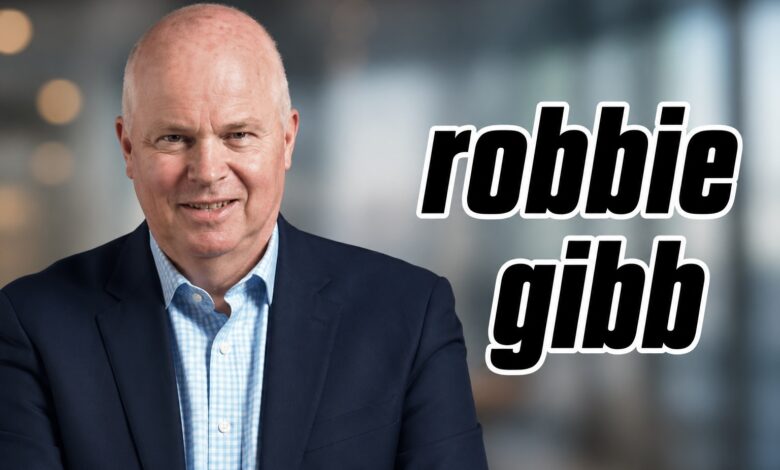

Robbie Gibb is one of the most influential and debated figures in modern British media and political communications. Known for his strong presence at the BBC, his role inside the UK government, and his later involvement in media governance, he has built a career that sits at the intersection of journalism and politics. While some view him as a skilled communicator who understands both media and power, others question his political proximity and influence within public broadcasting.
This article provides a complete, well-structured, and SEO-optimized biography of Robbie Gibb, covering his early life, education, career growth, BBC journey, government role, media involvement, and legacy in UK public life.
Introduction
Robbie Gibb’s career reflects the evolving relationship between media and politics in the United Kingdom. From working behind the scenes at the BBC to serving as Director of Communications at 10 Downing Street, his journey highlights how communication strategy shapes public perception. His influence is widely recognized, but it has also sparked debate about neutrality and transparency in public broadcasting.
Understanding Robbie Gibb helps explain how modern media institutions operate and how political messaging is crafted at the highest level. His professional life demonstrates both success and controversy, making him a key figure in discussions about media independence.
Quick Bio
| Category | Details |
|---|---|
| Full Name | Robert Paul Gibb |
| Known As | Robbie Gibb |
| Date of Birth | 29 September 1964 |
| Age | 61 (as of 2026) |
| Birthplace | Northampton, England |
| Nationality | British |
| Education | Royal Holloway, University of London |
| Profession | Media Executive, Former Government Communications Director |
| Spouse | Elizabeth Louise Boyd |
| Children | Two daughters |
| Known For | BBC editorial leadership, UK Government communications |
| Current Role | BBC Board Member |
Early Life and Background
Childhood and Upbringing
Robbie Gibb was born in Northampton and raised in the United Kingdom, particularly in parts of West Yorkshire. His upbringing exposed him to a culturally and politically aware environment, which later influenced his career path in media and public communication.
During his early years, he developed an interest in politics and international affairs. This interest shaped his academic direction and professional ambitions, leading him toward journalism and political communication roles later in life.
Education and Academic Foundation
Gibb studied at Ramsey Abbey School and Harrogate Grammar School before moving on to Royal Holloway, University of London. There, he pursued Economics and Public Administration, subjects that provided a strong foundation for understanding governance, economics, and institutional systems.
His education played a crucial role in shaping his analytical thinking and communication skills. These abilities later became central to his work in journalism and government advisory roles.
Career Beginnings and Entry into Media
Early Career in Journalism and Politics
Robbie Gibb began his professional journey at the BBC as a political researcher. This role introduced him to broadcast journalism and allowed him to understand how political news is shaped and delivered to the public.
He later moved into political work, serving as Chief of Staff to Conservative MP Francis Maude. This experience gave him direct exposure to political strategy, government operations, and media relations.
Transition Between Media and Politics
One of the defining features of Gibb’s career is his movement between journalism and politics. After working in political advisory roles, he returned to journalism with a deeper understanding of political communication.
This dual experience helped him build a unique skill set that combined media production with political messaging strategy.
BBC Career and Editorial Influence
Rise in BBC Leadership
Robbie Gibb rejoined the BBC in 2002, where he steadily rose through editorial ranks. He became Deputy Editor of Newsnight and later took on senior editorial positions in major political programs.
His leadership roles included editing and overseeing influential shows such as The Daily Politics, The Andrew Marr Show, and This Week. These programs played a key role in shaping public political discussion in the UK.
Impact on Political Broadcasting
At the BBC, Gibb was involved in covering major national events, including elections and Brexit-related debates. His editorial decisions contributed to how political information was presented to millions of viewers.
Supporters argue that he brought strong editorial discipline and political awareness to BBC programming. Critics, however, argue that his political background raised concerns about neutrality.
Government Role and Communications Strategy
Director of Communications at 10 Downing Street
In 2017, Robbie Gibb left the BBC to take on one of the most powerful communication roles in UK government. He became Director of Communications for Prime Minister Theresa May.
In this position, he was responsible for managing government messaging during a politically sensitive period marked by Brexit negotiations. His role involved coordinating press strategy and ensuring consistent communication from the Prime Minister’s office.
Influence During Brexit Period
Gibb’s work during the Brexit era placed him at the center of one of the most complex political transitions in modern UK history. His communication strategy focused on clarity, messaging discipline, and media coordination.
While some praised his ability to manage high-pressure communication, others questioned the influence of former journalists in political messaging roles.
Media Ventures and Advisory Roles
Work After Government Service
After leaving government in 2019, Robbie Gibb moved into advisory and media-related roles. He joined Kekst CNC, a global communications consultancy, where he contributed to strategic advisory work.
He also became involved in media ownership and advisory roles, including participation in the acquisition of The Jewish Chronicle in 2020.
Role in Modern Media Landscape
Gibb’s post-government career reflects his continued influence in media and communications. His work in consultancy and media governance shows how former journalists and political advisors often transition into strategic communication industries.
His involvement in media organizations has contributed to ongoing debates about editorial independence and influence in journalism.
BBC Board Membership
Governance and Oversight Role
In 2021, Robbie Gibb was appointed to the BBC Board as a Non-Executive Director representing England. His responsibilities include governance oversight, editorial standards, and remuneration committee duties.
He plays a role in ensuring that the BBC maintains operational and editorial standards in line with public expectations.
Ongoing Debate and Public Scrutiny
His position on the BBC Board has attracted attention due to his political background. Some commentators argue that his experience strengthens governance, while others believe it raises concerns about impartiality in public broadcasting.
Despite debate, he remains an active figure in BBC governance.
Legacy and Public Perception
Long-Term Impact on Media and Politics
Robbie Gibb’s legacy lies in his ability to move between journalism, politics, and media governance. His career reflects the increasing overlap between political communication and public broadcasting.
He is seen as a highly strategic communicator who understands both institutional media and government messaging.
Balanced View of His Influence
While supporters view him as an experienced and capable media strategist, critics question the balance between political involvement and journalistic independence. This dual perception makes him a significant figure in discussions about media ethics and governance.
Conclusion
Robbie Gibb’s professional journey represents a rare combination of journalism, political strategy, and media governance. His influence spans across the BBC, UK government communication systems, and modern media organizations.
His career is marked by both achievement and debate. On one hand, he is recognized for his communication expertise and leadership roles. On the other, his political associations continue to raise questions about media neutrality.
Regardless of differing opinions, Robbie Gibb remains an important figure in understanding how media and politics interact in the United Kingdom today.
Frequently Asked Questions (FAQ)
1. Who is Robbie Gibb?
Robbie Gibb is a British media executive and former government communications director known for his work at the BBC and 10 Downing Street.
2. What is Robbie Gibb’s full name?
His full name is Robert Paul Gibb.
3. What is Robbie Gibb known for?
He is known for his BBC editorial leadership and his role as Director of Communications for the UK Prime Minister.
4. What is Robbie Gibb’s profession now?
He serves as a Non-Executive Director on the BBC Board and works in media governance and advisory roles.
5. Is Robbie Gibb a journalist or politician?
He has worked in both journalism and political communications, making his career a mix of media and politics.