Will Mellor: A Versatile British Talent in TV, Music, and Entertainment

Table of Contents
ToggleIntroduction
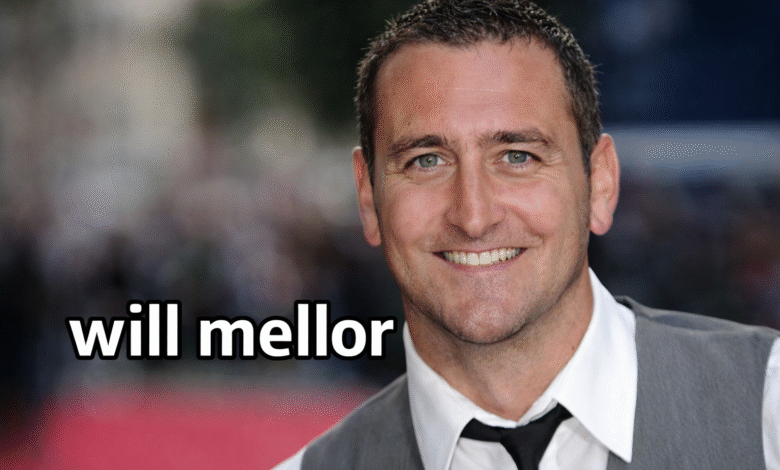
Will Mellor has firmly established himself as a household name in the UK, recognized for his remarkable career spanning television, music, and entertainment. From his early days on children’s television to his iconic roles in popular dramas, Will’s journey is a testament to his versatile acting skills and dedication to his craft. This article delves into the various facets of Will Mellor’s career, his personal life, and his lasting impact on the entertainment industry.
Quick Bio
| Category | Details |
|---|---|
| Full Name | William “Will” Mellor |
| Date of Birth | 3 April 1976 |
| Age | 49 years |
| Nationality | British / English |
| Profession | Actor, Singer, Media Personality |
| Spouse | Michelle McSween (Married in 2007) |
| Children | Jayden (b. 2004), Renee (b. 2008) |
| Notable Roles | Two Pints of Lager, Broadchurch, Coronation Street |
| Net Worth | $8 Million USD (approx.) |
Early Life and Career Beginnings
Will Mellor was born in Bredbury, Stockport, Greater Manchester, on 3 April 1976. He grew up in a working-class family, the youngest of five siblings. His early exposure to the entertainment industry came through his passion for acting, which led him to study performing arts at Julie Beach School of Dance and Drama. This foundation helped him land his first role in Children’s Ward at the age of 14. Despite his early success in children’s television, it was his role in Brookside in the early 1990s that marked the beginning of his career in the adult television world.
Breakthrough Roles: From Soap Operas to Iconic TV Shows
Mellor’s breakthrough role came in Hollyoaks as James “Jambo” Bolton. His portrayal of the fun-loving character captured the audience’s attention and turned him into a teen heartthrob. However, it wasn’t long before Will’s talent in both comedy and drama was recognized, leading to more prominent roles in the entertainment industry.
Two Pints of Lager and a Packet of Crisps was a game-changer for Will. His role as Gaz Wilkinson on this sitcom not only earned him a loyal fan base but also solidified his position as a versatile actor capable of handling both humor and emotional depth. He continued to shine in dramatic roles, such as in Broadchurch, where his portrayal of Steve Connolly added another layer to his acting range.
Success in Reality TV and Music Ventures
In addition to his successful television career, Will Mellor ventured into the music industry. He released the single “When I Need You,” which made its mark on the UK Singles Chart, reaching #5. Will’s singing talent was showcased again when he won Comic Relief Does Fame Academy in 2003, cementing his presence in the world of reality TV. His music ventures may not have been as high-profile as his television career, but they added another dimension to his entertainment repertoire.
Mellor’s appearance on Strictly Come Dancing in 2022 further highlighted his versatility, as he demonstrated his dance skills and passion for performing. His successful participation in the show, reaching the semi-finals, was a testament to his ability to adapt and entertain across multiple platforms.
Personal Life: A Family-Oriented Man
Will Mellor has always been open about his deep connection with his family. He married Michelle McSween, a dancer, in 2007, and together they have two children: Jayden (born 2004) and Renee (born 2008). Despite his demanding career, Will has consistently emphasized his role as a family man. His public expressions of love for his wife and children reflect a grounded and humble side to the actor, often contrasting with his larger-than-life television persona.
Mellor has also dealt with personal tragedies, including the loss of close family members, and he has openly spoken about his emotional struggles, becoming an advocate for mental health awareness in the process. These experiences have helped shape his character both on and off the screen.
Business Ventures and Other Projects
Though best known for his acting and music career, Will Mellor’s influence extends into other ventures as well. He has collaborated on various media projects, such as podcasts and public appearances. While he hasn’t been involved in running large businesses or owning companies, his entrepreneurial spirit is evident in his continuous reinvention within the entertainment world. Will’s ability to stay relevant in various fields demonstrates his drive and understanding of the evolving media landscape.
Career Achievements and Legacy
Over the years, Will Mellor’s career has garnered several nominations for prestigious awards, including Inside Soap Awards and National Television Awards. His acting versatility is particularly evident in his long-running roles in soap operas like Coronation Street, where his portrayal of Harvey Gaskell earned critical acclaim. His work in various genres—comedy, drama, reality TV, and music—has set him apart as one of the most adaptable talents in British television.
Will’s legacy is defined by his resilience and capacity to evolve as an entertainer. His acting career continues to thrive with notable roles in dramas and soap operas, while his involvement in reality TV and music has kept him in the public eye. For many, Will Mellor represents the quintessential British performer—hardworking, relatable, and endlessly entertaining.
Latest News
In 2024, Will Mellor starred in the ITV drama The Teacher, where he played Jimmy Spencer. The series has been well received by audiences, with Will’s performance being praised for its depth and complexity. Mellor’s ongoing commitment to high-quality roles in television shows his dedication to his craft and his desire to keep challenging himself as an actor.
Additionally, Will remains a beloved personality, often sharing glimpses of his personal life on social media, where fans continue to support him. His presence on various talk shows and his open conversations about mental health have further solidified his place as an influential figure in British media.
Conclusion
Will Mellor’s career is a testament to his talent, versatility, and resilience. From his early days in children’s television to his successful roles in soaps, comedies, and dramas, he has remained a prominent figure in British entertainment. His ability to adapt to various genres and stay relevant across multiple platforms showcases his dedication and passion for his craft. Will’s influence extends beyond his acting career, as he continues to inspire others with his openness about personal challenges and his advocacy for mental health awareness.
Will Mellor’s story is far from over, and his legacy as one of the UK’s most dynamic performers will continue to grow for years to come.
FAQ
1. What was Will Mellor’s breakthrough role?
Will’s breakthrough role came with his portrayal of James “Jambo” Bolton in Hollyoaks in the 1990s.
2. Is Will Mellor married?
Yes, he is married to Michelle McSween, a dancer, since 2007.
3. How old is Will Mellor?
Will Mellor was born on 3 April 1976, making him 49 years old.
4. What other talents does Will Mellor have?
In addition to acting, Will Mellor is a singer and has participated in Comic Relief Does Fame Academy, and has appeared on Strictly Come Dancing.
5. What is Will Mellor’s net worth?
Will Mellor’s estimated net worth is approximately $8 million USD.