Robert Cawsey – Rising British Actor, Writer & Comedian Shaping Modern Screen Storytelling

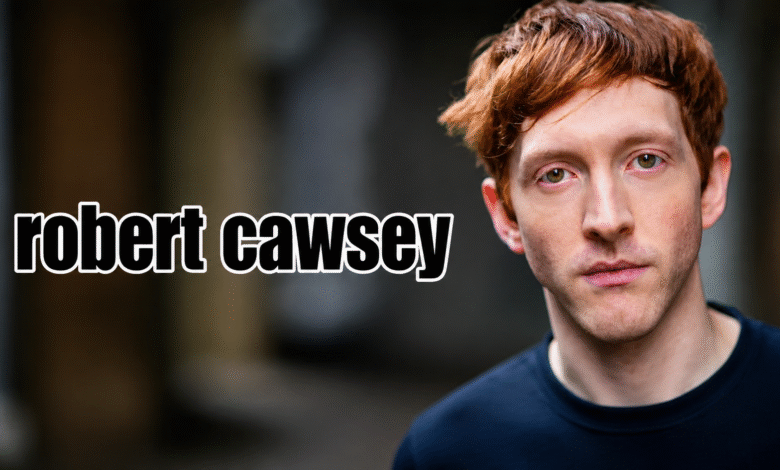
Robert Cawsey is a British actor, writer, and comedian known for his growing presence in television, film, and creative writing. Emerging from Wales and professionally trained in both the United Kingdom and France, he has developed a strong reputation for blending comedy, drama, and dark storytelling techniques in modern screen production.
His career reflects both success and challenge, as he moves between mainstream streaming platforms and independent creative work. With appearances in major productions and recognition for his screenwriting talent, Robert Cawsey is steadily becoming a notable name in the contemporary British entertainment industry.
Table of Contents
ToggleQuick Bio
| Category | Details |
|---|---|
| Full Name | Robert Cawsey |
| Profession | Actor, Writer, Comedian |
| Nationality | British |
| Birthplace | Penarth, Wales, United Kingdom |
| Education | Guildhall School of Music & Drama; École Philippe Gaulier |
| Known For | Acting, Comedy, Screenwriting |
| Major Recognition | Brit List 2025 (Screenwriting) |
| Active Fields | Film, Television, Theatre, Writing |
Early Life and Education of Robert Cawsey
Robert Cawsey was born and raised in Penarth, Wales, where he developed an early passion for performance and storytelling. Growing up in a creative environment, he showed interest in acting and comedy from a young age, often engaging in performance-based activities that shaped his future career path.
His early exposure to theatre and British television culture influenced his artistic direction, leading him toward professional training in dramatic arts. This foundation later became the backbone of his versatile acting and writing style.
Robert Cawsey later pursued formal education in performance at the Guildhall School of Music & Drama in London. He also trained at École Philippe Gaulier in Paris, an institution known for physical theatre and experimental comedy. These two schools helped him develop a strong balance between structured acting techniques and expressive comedic performance.
Career Beginnings in Theatre and Comedy
Robert Cawsey began his professional journey through theatre and live performance, where he explored different acting styles and comedic timing. His early work focused on stage-based storytelling, physical theatre, and experimental performance formats.
During this phase, he also worked on independent comedy projects and small creative productions. These experiences allowed him to refine his writing voice and develop confidence in both performing and creating original material.
His early career was not defined by mainstream fame but by consistent development in creative spaces. This period helped him build resilience and versatility, which later became important in his screen career.
Acting Career in Film and Television
Robert Cawsey gradually transitioned from theatre into screen acting, gaining roles in both British and international productions. His performances demonstrate adaptability across genres, including drama, historical fiction, and fantasy-based storytelling.
He has appeared in several well-known productions such as Netflix’s 1899, One Day, Amazon’s My Lady Jane, Disney’s Cruella, and other major film and television projects. These roles allowed him to work alongside large-scale production teams and expand his professional reach.
His acting style is often described as expressive and character-driven, with a strong ability to adapt to both serious and comedic roles. This flexibility has helped him secure work across multiple streaming platforms and production houses.
Writing Career and Brit List Recognition
In addition to acting, Robert Cawsey is also an accomplished writer with a growing reputation in screenwriting. His writing focuses on blending comedy with darker narrative themes, often exploring human behavior, survival situations, and emotional conflict.
One of his most significant achievements is his screenplay titled “Don’t Even Go There”, which was included in the Brit List 2025. This list highlights the most promising unproduced screenplays in the UK, and his inclusion reflects strong industry recognition.
The screenplay is a comedy-horror story set in a survival-based environment, showcasing his ability to mix humor with tension and psychological depth. This achievement positioned him as a rising writer with potential for major film production development.
Creative Style and Industry Impact
Robert Cawsey’s creative style is defined by its combination of humor, emotional depth, and experimental storytelling. He often blends comedic timing with darker narrative structures, creating unique and engaging content.
His training in physical theatre and comedy allows him to approach storytelling in a visually expressive way. This makes his performances and writing stand out in modern entertainment, where multi-genre creativity is increasingly valued.
In the industry, he represents a new wave of British talent that moves fluidly between acting, writing, and digital content creation. His work reflects the changing nature of entertainment, where creators are expected to be multi-skilled and adaptable.
Latest Recognition and Career Growth
Robert Cawsey’s recent recognition comes primarily from his success as a screenwriter, especially his Brit List 2025 achievement. This milestone has increased his visibility within the UK film industry and among production companies.
Alongside writing success, he continues to appear in high-profile streaming projects, expanding his presence in global entertainment platforms. His involvement in Netflix, Disney, and Amazon productions highlights his growing international footprint.
As his career develops, he is increasingly seen as a creative talent with strong potential for long-term success in both acting and writing fields.
Conclusion
Robert Cawsey is an emerging British creative professional whose journey reflects dedication, versatility, and artistic growth. From his early life in Wales to his training in top drama schools and his work in international productions, he has built a career based on continuous development.
His recognition in screenwriting, combined with his acting roles across major platforms, positions him as a rising figure in modern entertainment. While still early in his mainstream breakthrough phase, his creative direction suggests strong future potential in both film and television industries.
FAQs
1. Who is Robert Cawsey?
Robert Cawsey is a British actor, writer, and comedian known for his work in film, television, and screenwriting.
2. What is Robert Cawsey famous for?
He is known for acting in productions like 1899 and for his screenwriting recognition in the Brit List 2025.
3. Where is Robert Cawsey from?
He is from Penarth, Wales, United Kingdom.
4. What is Robert Cawsey’s profession?
He works as an actor, screenwriter, and comedian.
5. What is his writing achievement?
His screenplay “Don’t Even Go There” was featured in the Brit List 2025.
6. Is Robert Cawsey an established actor?
He is an emerging actor with growing recognition in international streaming and film industries.