
Introduction
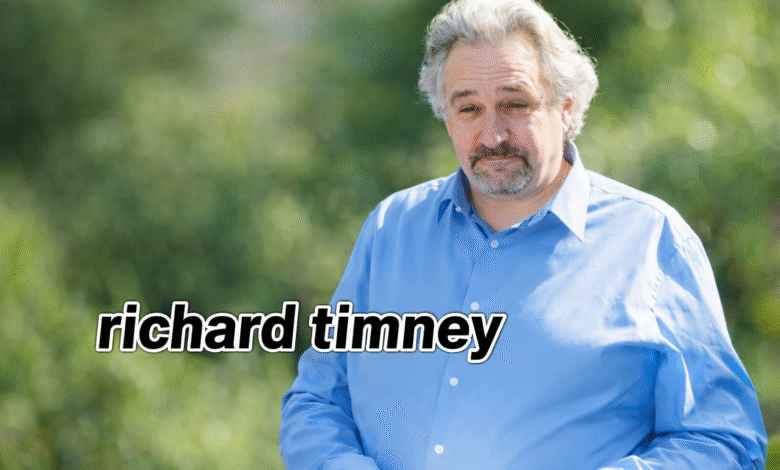
Richard Timney is not a public figure in the traditional sense, yet his name has appeared in British public discourse due to his proximity to power, responsibility, and national attention. Known primarily for his professional and personal association with senior UK politics, Richard Timney represents a category of individuals who operate behind the scenes rather than at the podium. His life reflects both positive contributions through public service and the challenges that come with public scrutiny.
Unlike celebrities or elected officials, Richard Timney has maintained a largely private existence. This balance between visibility and discretion defines his public identity. Understanding his story requires separating verified facts from speculation and focusing only on confirmed, responsible information.
Quick Bio
| Field | Information |
|---|---|
| Full Name | Richard Timney |
| Nationality | British |
| Profession | Parliamentary aide |
| Known For | Political support role |
| Marital Status | Former husband of Jacqui Smith |
| Children | Two |
| Public Salary | Approx. £40,000 (historical) |
| Public Presence | Limited |
| Net Worth | Not publicly disclosed |
Who Is Richard Timney?
Richard Timney is a British national best known for his role as a parliamentary aide and for his long marriage to Jacqui Smith, one of the most prominent Labour politicians of her generation. While he never sought public office himself, his work placed him close to the core of British governance during a critical political era.
His public identity is defined by contrast. On the positive side, he supported parliamentary operations and contributed to the functioning of elected office. On the negative side, his name became known to the public through political controversy, a reminder of how private individuals can be pulled into national attention.
Early Life and Background
Very little verified information is publicly available about Richard Timney’s early life. His birthplace, family background, and childhood experiences have not been disclosed in authoritative public records. This absence of information is not accidental but reflects a deliberate separation between his personal life and public affairs.
What is confirmed is that he developed a professional background in civil engineering before entering political support work. This technical foundation suggests analytical training and structured problem-solving skills, qualities that later proved useful in administrative and parliamentary roles.
Education and Professional Foundation
Richard Timney is described in credible reporting as having a background in civil engineering. While specific institutions and qualifications are not publicly detailed, this professional foundation places him within a skilled and disciplined field that values accuracy, planning, and responsibility.
His transition from engineering into political support work illustrates a shift from technical systems to human and institutional systems. This move reflects adaptability and a willingness to apply structured thinking in complex political environments.
Start of Career and Entry Into Public Service
Timney’s public-facing career began when he took on a role as a parliamentary aide. In this position, he worked directly within the UK parliamentary system, supporting legislative and administrative responsibilities. His employment followed established parliamentary rules and was formally declared.
This role placed him in a position of trust. Parliamentary aides are expected to manage sensitive information, coordinate research, and assist elected representatives in fulfilling their duties. His work contributed positively to the operational side of democratic governance.
Career Overview and Responsibilities
As a parliamentary aide, Richard Timney’s responsibilities included research assistance, administrative coordination, and constituency-related support. These roles, while not visible to the public, are essential to the effective functioning of elected offices.
The positive aspect of this career is clear: he served within democratic institutions and supported public representation. The negative aspect lies not in misconduct but in the intense scrutiny that accompanies political life, where even support staff can become subjects of media attention.
Marriage, Family, and Personal Life
Richard Timney married Jacqui Smith in 1987, and the couple shared more than three decades together. They have two children, whose identities have been kept private. Their marriage existed alongside demanding political careers, combining family life with public responsibility.
In 2019, the couple publicly confirmed their separation. This event marked a significant personal transition for Timney and further demonstrated the pressure that public roles can place on private relationships. Despite public interest, he maintained discretion and avoided media engagement.
Public Attention and Scrutiny
Richard Timney entered national headlines during the 2009 UK parliamentary expenses controversy. Although he did not hold elected office, his association with parliamentary expenses brought his name into public debate. He issued a public apology, acknowledging the situation and its impact.
This episode highlights a negative dimension of public proximity: individuals connected to power may face reputational consequences even without political ambition. At the same time, his response demonstrated accountability rather than defiance.
Income, Salary, and Financial Transparency
Timney’s parliamentary salary was publicly reported at approximately £40,000 per year during his employment. This figure was disclosed as part of parliamentary transparency requirements. Beyond this, no verified information exists regarding additional income or financial holdings.
There are no authoritative public records confirming his net worth. Any estimates beyond reported salary would be speculative and are therefore excluded.
Business Ventures and Companies
There is no confirmed evidence that Richard Timney founded, owned, or led major business ventures. His professional life, as documented, centers on employment rather than entrepreneurship.
This absence reinforces the image of Timney as a support professional rather than a public entrepreneur or corporate leader.
Latest Public Status
In recent years, Richard Timney has maintained a low public profile. There is no current news coverage focusing on his professional or personal activities. This quiet presence aligns with his long-standing preference for privacy.
Legacy and Public Perception
Richard Timney’s legacy is subtle rather than monumental. Positively, he represents the thousands of individuals who work behind the scenes to support democratic institutions. Negatively, his experience also reflects how public systems can expose private individuals to national scrutiny.
His story is ultimately one of responsibility without celebrity, contribution without acclaim, and privacy tested by public life.
Conclusion
Richard Timney’s life demonstrates that influence does not always require visibility. His career and personal journey show how support roles shape governance while remaining largely unseen. At the same time, his experience reveals the emotional and reputational costs of proximity to power. His legacy is quiet, complex, and undeniably human.
Frequently Asked Questions (FAQ)
Who is Richard Timney?
Richard Timney is a British parliamentary aide known for his support role in UK politics and his former marriage to Jacqui Smith.
What is Richard Timney known for?
He is known for working as a parliamentary assistant and for being associated with senior political life in the UK.
Was Richard Timney a politician?
No, he did not hold elected office. He worked in a support role within Parliament.
How many children does Richard Timney have?
He has two children.
Is Richard Timney active in public life today?
No, he currently maintains a private life away from public and media attention.