william beck: Inspiring Rise of a Fearless Actor and the Quiet Struggles Behind His Powerful Success

Table of Contents
ToggleIntroduction
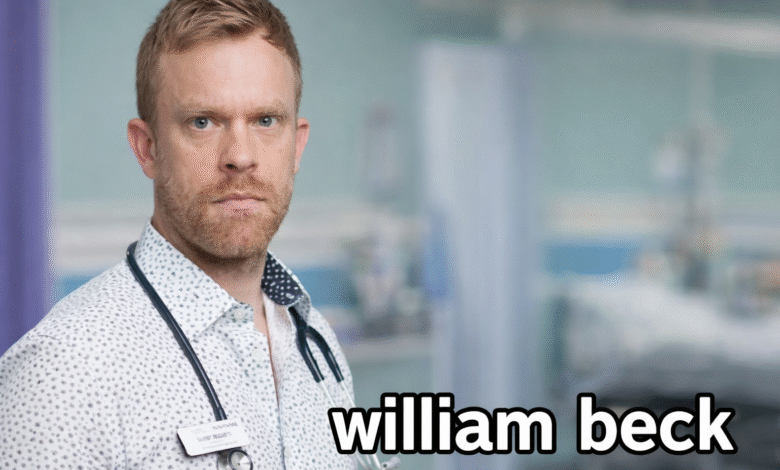
william beck is a respected British actor known for his powerful screen presence, intellectual performances, and consistent contribution to television drama. Over the years, he has built a reputation as a serious and dedicated performer, especially recognized for his role as Dr. Dylan Keogh in the long-running BBC medical drama Casualty. His ability to portray emotionally complex and intelligent characters has earned him respect from both audiences and industry professionals.
His journey to success was not simple or predictable. william beck originally studied medicine, showing strong academic potential and discipline. However, he made the difficult decision to leave that path and pursue acting, a career filled with uncertainty. This bold and risky decision reflects both the positive courage and the difficult sacrifices behind his professional success. Today, he stands as an example of persistence, professional growth, and creative commitment.
Quick Bio
| Field | Details |
|---|---|
| Full Name | William Beck |
| Profession | Actor |
| Nationality | British |
| Known For | Dr. Dylan Keogh in Casualty |
| Years Active | 1999–present |
| Education | Kineton High School, The Poor School |
| Marital Status | Married |
| Children | 2 |
| Birthplace | United Kingdom |
Early Life and Educational Background
Academic Beginnings and Early Ambitions
william beck was born and raised in the United Kingdom, where he spent his early years in an environment that valued education and professional development. His early academic journey showed that he was a focused and intelligent student. He attended Kineton High School, where he developed discipline, curiosity, and intellectual strength.
His early ambitions were not connected to acting. Instead, he chose to study medicine, reflecting his interest in science and helping others. This decision showed his strong commitment to meaningful and responsible career goals. His time studying medicine also helped him develop analytical thinking and emotional maturity.
Transition from Medicine to Acting
Despite his strong academic performance, william beck realized that medicine was not his true passion. He made the life-changing decision to leave medical school and pursue acting. This decision was both brave and difficult, as acting is an unpredictable profession compared to medicine.
He later trained at The Poor School in London, where he learned professional acting skills. This formal training helped him build confidence and prepared him for the competitive entertainment industry. His education played a critical role in shaping his acting technique and professional mindset.
Start of Acting Career
Early Career Struggles and Determination
william beck began his acting career in 1999. Like many actors, his early years involved smaller roles that helped him gain experience and industry exposure. These early opportunities allowed him to learn how television production works and how to perform in front of cameras.
His early career was not easy, and success did not come immediately. However, his patience, professionalism, and dedication helped him continue moving forward. He remained focused on improving his skills and building his reputation as a reliable actor.
Early Television Appearances
During the early stages of his career, william beck appeared in several British television dramas. These roles allowed him to demonstrate his acting abilities and emotional range. Each performance helped him gain more recognition and professional respect.
These early experiences were essential for building his career foundation. They gave him confidence and opened doors for more important opportunities. His consistency and serious approach made him stand out in the competitive television industry.
Breakthrough Role in Casualty
Career-Defining Role as Dr. Dylan Keogh
The most important and career-defining role of william beck came when he joined the BBC medical drama Casualty in 2011. He played Dr. Dylan Keogh, a highly intelligent and emotionally complex consultant doctor. This role became the most recognized part of his career.
His performance was praised for its realism and emotional depth. His character brought intelligence, seriousness, and emotional realism to the show. His portrayal connected strongly with audiences and helped establish him as a respected television actor.
Long-Term Success and Recognition
After briefly leaving the show, william beck returned and continued his role, strengthening his connection with audiences. His long-term involvement in the show demonstrated his stability and professional reliability.
This role gave him national recognition and became a defining part of his professional identity. His performance contributed significantly to the success and credibility of the series.
Film Career and Professional Growth
Expansion into Film Industry
In addition to television, william beck has also appeared in films. His film roles allowed him to explore different types of characters and storytelling styles. These experiences helped him develop versatility as an actor.
Film acting requires different skills compared to television. His ability to adapt shows his professional flexibility and commitment to growth. His film appearances added valuable experience to his career.
Developing Acting Range and Experience
His work in film helped him strengthen his acting range and emotional expression. Each role allowed him to explore different personalities and situations. This contributed to his professional maturity.
His ability to work across television and film demonstrates his dedication to acting. His willingness to take on different roles reflects his passion and commitment.
Theatre Career and Stage Experience
Importance of Theatre in Professional Development
Theatre played an important role in william beck’s acting journey. Stage acting requires strong emotional expression and live performance skills. His theatre experience helped him develop confidence and technical ability.
Live theatre performances require discipline and preparation. This experience improved his focus and emotional control. Theatre helped him become a more complete and skilled actor.
Professional Growth Through Stage Work
His theatre work helped him build a strong foundation in acting. It allowed him to develop a deeper understanding of character development. This experience contributed to his professional growth.
Theatre also helped him earn respect within the acting community. His stage experience strengthened his overall career.
Acting Style and Professional Strengths
Realistic and Intellectual Performance Style
william beck is known for his realistic and intelligent acting style. His performances often reflect emotional depth and authenticity. He focuses on portraying characters with realism and honesty.
His ability to show subtle emotions makes his performances believable. His serious and thoughtful acting approach has earned him respect from audiences and professionals.
Professional Discipline and Consistency
One of his greatest strengths is his consistency. He approaches every role with professionalism and dedication. His disciplined mindset helps him deliver strong performances.
His career reflects persistence and commitment. He continues to maintain high standards in his work.
Personal Life and Character
Private and Balanced Lifestyle
william beck is known for keeping his personal life private. He focuses primarily on his professional work. This balanced approach helps him maintain stability.
He is married and has children, showing his commitment to family life. His ability to balance personal and professional responsibilities reflects his maturity.
Professional Reputation and Respect
He is respected for his professionalism and serious approach to acting. His colleagues and audiences recognize his dedication. His reputation reflects years of hard work and commitment.
He continues to maintain a strong presence in the television industry.
Legacy and Career Impact
Inspiration for Future Actors
william beck’s journey from medical student to successful actor is inspiring. His decision to follow his passion demonstrates courage. His story encourages others to pursue their dreams.
His career reflects persistence and professional dedication. His achievements serve as motivation for aspiring actors.
Long-Term Contribution to Television
His role in Casualty remains his most important contribution. His performance has left a lasting impact on the series. He continues to be recognized for his work.
His legacy is defined by professionalism, dedication, and consistency.
Conclusion
william beck is a powerful example of dedication, courage, and professional success. His journey shows both the positive rewards and difficult challenges of pursuing passion. His decision to leave medicine and pursue acting changed his life.
His career continues to inspire others. His contributions to television, theatre, and film have earned him lasting respect. His legacy reflects strength, professionalism, and creative excellence.
FAQ About william beck
Who is william beck?
william beck is a British actor best known for playing Dr. Dylan Keogh in the BBC drama Casualty.
What is william beck famous for?
He is famous for his long-running role in Casualty and his professional television acting career.
When did william beck start his acting career?
He began his acting career in 1999.
Is william beck still acting?
Yes, he continues working as an actor and remains active in television.
What was william beck’s education?
He attended Kineton High School and trained at The Poor School in London