
Introduction
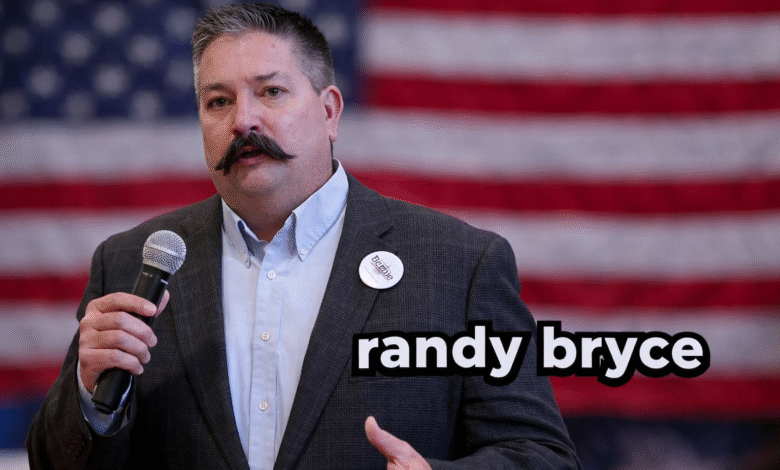
Randy Bryce is widely known as a symbol of working-class political activism in the United States. His journey from union job sites to national political headlines reflects a powerful narrative of perseverance, service, and conviction. Loved by supporters for his authenticity and criticized by opponents for his confrontational style, Bryce remains a figure who provokes both inspiration and debate.
Often recognized by his nickname “IronStache,” Randy Bryce represents a rare blend of blue-collar labor experience and modern political campaigning. His life story is not one of inherited privilege, but of struggle, resilience, and an ongoing effort to challenge entrenched political power.
Quick Bio: Randy Bryce
| Field | Details |
|---|---|
| Full Name | Randall John Bryce |
| Known As | Randy Bryce |
| Nickname | IronStache |
| Date of Birth | December 9, 1964 |
| Age | 61 (as of 2026) |
| Birthplace | Milwaukee, Wisconsin, United States |
| Nationality | American |
| Profession | Ironworker, Labor Activist, Political Candidate |
| Military Service | United States Army |
| Political Affiliation | Democratic Party |
Early Life and Background
Randy Bryce was born and raised in Milwaukee, Wisconsin, a city deeply rooted in industrial and labor traditions. Growing up in a working-class household exposed him early to the realities of economic pressure, job insecurity, and the value of collective support. These formative experiences shaped his worldview long before he entered public life.
Family health struggles played a significant role in his early years. Witnessing serious long-term illness within his household left a lasting impression on Bryce, reinforcing his belief that healthcare access and social safety nets are not abstract policies but deeply personal necessities.
Education and Military Service
Bryce attended public schools in Wisconsin and later enrolled at the University of Wisconsin–Milwaukee. His academic path was short, as he chose to enter military service rather than pursue a traditional degree, a decision reflecting both economic reality and a sense of duty.
He served in the United States Army during the Cold War era. His time in the military instilled discipline and reinforced his commitment to service, experiences that later influenced his advocacy for veterans’ rights and support systems for former service members.
Start of Career and Entry into Skilled Labor
After completing military service, Randy Bryce worked in programs aimed at supporting homeless veterans. Although the work aligned with his values, the instability of funding led him to seek a more sustainable career path.
He eventually entered a union apprenticeship program, marking a turning point in his life. Becoming an ironworker provided him with stable employment, healthcare coverage, and a sense of dignity rooted in skilled labor. This transition laid the foundation for his lifelong commitment to unions and worker protections.
Union Career and Labor Activism
As a journeyman ironworker, Bryce became deeply involved in union life. He worked on construction projects across Wisconsin and became an outspoken advocate for fair wages, safe working conditions, and collective bargaining rights.
Beyond the job site, he took on leadership roles within labor organizations. His activism was driven by lived experience rather than ideology, a strength that resonated with many workers but also attracted criticism from those opposed to union influence in politics.
Political Awakening and Early Campaigns
Randy Bryce’s entry into electoral politics was gradual and grounded in activism. He first ran for public office in Wisconsin state races, motivated by frustration with policies he believed undermined workers and veterans.
Although these early campaigns were unsuccessful, they sharpened his political voice and expanded his visibility. Losses did not deter him; instead, they reinforced his belief that meaningful change requires persistence and willingness to confront defeat.
National Spotlight and Congressional Campaign
Bryce gained national attention during his campaign for the U.S. House of Representatives from Wisconsin’s 1st Congressional District. His background as an ironworker contrasted sharply with the polished profiles of many career politicians.
Supporters praised his authenticity and working-class credibility, while critics questioned his readiness for national office. This mix of admiration and skepticism defined his public image and highlighted the tension between grassroots energy and traditional political expectations.
Political Positions and Public Image
Randy Bryce is closely associated with labor-focused political themes. He consistently emphasizes workers’ rights, healthcare affordability, and the protection of retirement and social support programs.
At the same time, his confrontational style and unapologetic rhetoric have drawn criticism. To supporters, this directness signals honesty; to detractors, it represents divisiveness. This dual perception has become a defining feature of his political identity.
Recent Developments and Continued Activism
In recent years, Bryce has remained active as a labor advocate and political figure. His continued engagement demonstrates a refusal to retreat from public life despite previous electoral defeats.
Rather than repositioning himself away from controversy, he has doubled down on his core message. This consistency strengthens his credibility among loyal supporters but continues to limit his appeal among more moderate audiences.
Legacy and Public Impact
Randy Bryce’s legacy is not defined by elected office but by representation. He brought national attention to the idea that working-class individuals can challenge powerful political figures without abandoning their roots.
His story illustrates both the possibilities and limitations of grassroots politics in a modern media environment. Whether viewed as an inspiring underdog or a polarizing activist, his impact on labor-centered political discourse is undeniable.
Conclusion
Randy Bryce stands as a powerful example of perseverance rooted in lived experience. His life reflects both the promise and the friction of working-class political activism. While his journey includes setbacks and criticism, it also demonstrates courage, resilience, and unwavering commitment to labor values.
In a political landscape often dominated by elites, Bryce’s story reminds audiences that authenticity can still command attention. His career remains unfinished, and his influence continues to shape conversations about work, dignity, and representation.
Frequently Asked Questions (FAQs)
Who is Randy Bryce?
Randy Bryce is an American ironworker, labor activist, U.S. Army veteran, and political candidate known for his working-class advocacy.
Why is Randy Bryce called IronStache?
The nickname combines his profession as an ironworker with his distinctive mustache, becoming a recognizable symbol during his campaigns.
Did Randy Bryce serve in the military?
Yes, he served in the United States Army before beginning his union career.
Is Randy Bryce currently in public office?
No, he has not held elected national office but remains active in politics and labor advocacy.
What is Randy Bryce known for politically?
He is best known for promoting workers’ rights, union protections, and healthcare access from a working-class perspective.